The rise and evolution of casinos a journey through history
Origins of Gambling and Early Casinos
The history of casinos can be traced back to ancient civilizations, where games of chance were integral to social interaction. The earliest forms of gambling emerged in China, around 2300 BC, where rudimentary games using dice were played. These games laid the groundwork for the development of more structured gaming environments, reflecting the human fascination with risk and reward. Today, players seeking excitement often turn to new casinos that are designed with modern sensibilities in mind.

In ancient Rome, gambling was a popular pastime among citizens, leading to the establishment of venues that resembled early casinos. The Romans held various gaming events, and public places began to feature games of chance, with rules and regulations emerging to govern play. This era marked the beginning of organized gambling, setting the stage for the evolution of casinos as we know them today.
The Birth of Modern Casinos
The concept of the modern casino began to take shape in the 17th century in Europe. The first official casino, known as the Ridotto, was opened in Venice in 1638, offering a regulated space for gambling during carnival season. This establishment introduced a new level of sophistication and structure to gambling, featuring games like baccarat and faro, which were popular among the elite.
As the idea of casinos spread, establishments began to emerge across Europe, particularly in France and Germany. These venues not only offered games but also provided entertainment, dining, and social spaces, evolving into multifaceted destinations. The rise of casinos during this period signified a shift in societal acceptance of gambling, elevating it from a fringe activity to a popular pastime.
The Golden Age of Casinos in Las Vegas
The 20th century saw the rise of Las Vegas as the world capital of casinos. After the legalization of gambling in Nevada in 1931, Las Vegas transformed from a dusty town into a glittering oasis of entertainment. Iconic casinos like the Flamingo and the Sands emerged, attracting visitors with lavish shows and gaming options. This era marked a turning point, as casinos became synonymous with luxury and extravagance.
The golden age of casinos in Las Vegas was characterized by the introduction of themed resorts and the combination of gambling with entertainment. The iconic Strip became a symbol of this transformation, with mega-casinos offering everything from fine dining to world-class performances. This shift not only changed the landscape of gambling but also influenced how casinos were perceived globally, setting trends that many other regions would later follow.
The Digital Revolution and Online Casinos
The late 20th and early 21st centuries ushered in a digital revolution that drastically transformed the casino landscape. The advent of the internet paved the way for online casinos, allowing players to gamble from the comfort of their own homes. This shift not only expanded access to gambling but also introduced a wide variety of games and betting options, catering to a global audience.
Online casinos have become increasingly sophisticated, offering live dealer games and immersive experiences that replicate the atmosphere of traditional casinos. The growth of mobile gaming further accelerated this trend, enabling players to engage with their favorite games anytime and anywhere. This evolution in the casino industry highlights the adaptability of gambling as it continues to merge with technology.
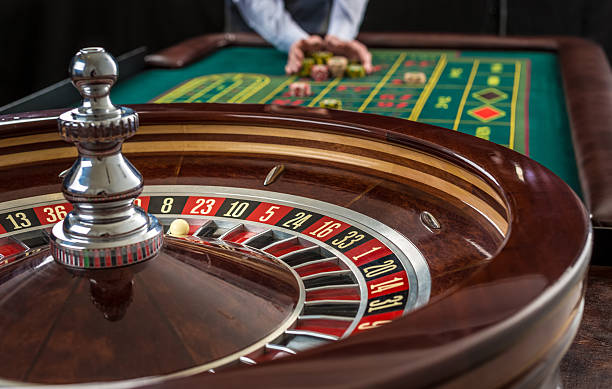
Exploring Modern Casinos and Future Trends
Today’s casinos are a reflection of evolving consumer preferences and technological advancements. They have transformed into entertainment hubs that offer an array of experiences beyond gambling, including shopping, dining, and nightlife. This diversification has attracted a wider demographic, making casinos more appealing to families and non-gamblers alike.
As the casino landscape continues to evolve, emerging trends such as virtual reality gaming and blockchain technology are set to redefine the gambling experience. These innovations promise to enhance player engagement and security, while also making gambling more accessible. The future of casinos will likely be shaped by the interplay of tradition and technology, ensuring that they remain relevant in an ever-changing world.